Travel Tips: How to Organize Your Baggage for Optimal Productivity
Effective baggage organization can greatly enhance the journeying satisfaction. By utilizing strategic packing methods, voyagers can optimize space and reduce stress. Important strategies, such as implementing storage cubes and focusing on necessities, streamline the process. Understanding how to efficiently store clothing and necessities can convert chaotic trips into manageable journeys. Yet, many overlook critical elements of packing that can boost their efficiency. Learn about the fundamental approaches that can transform how one approaches travel logistics.
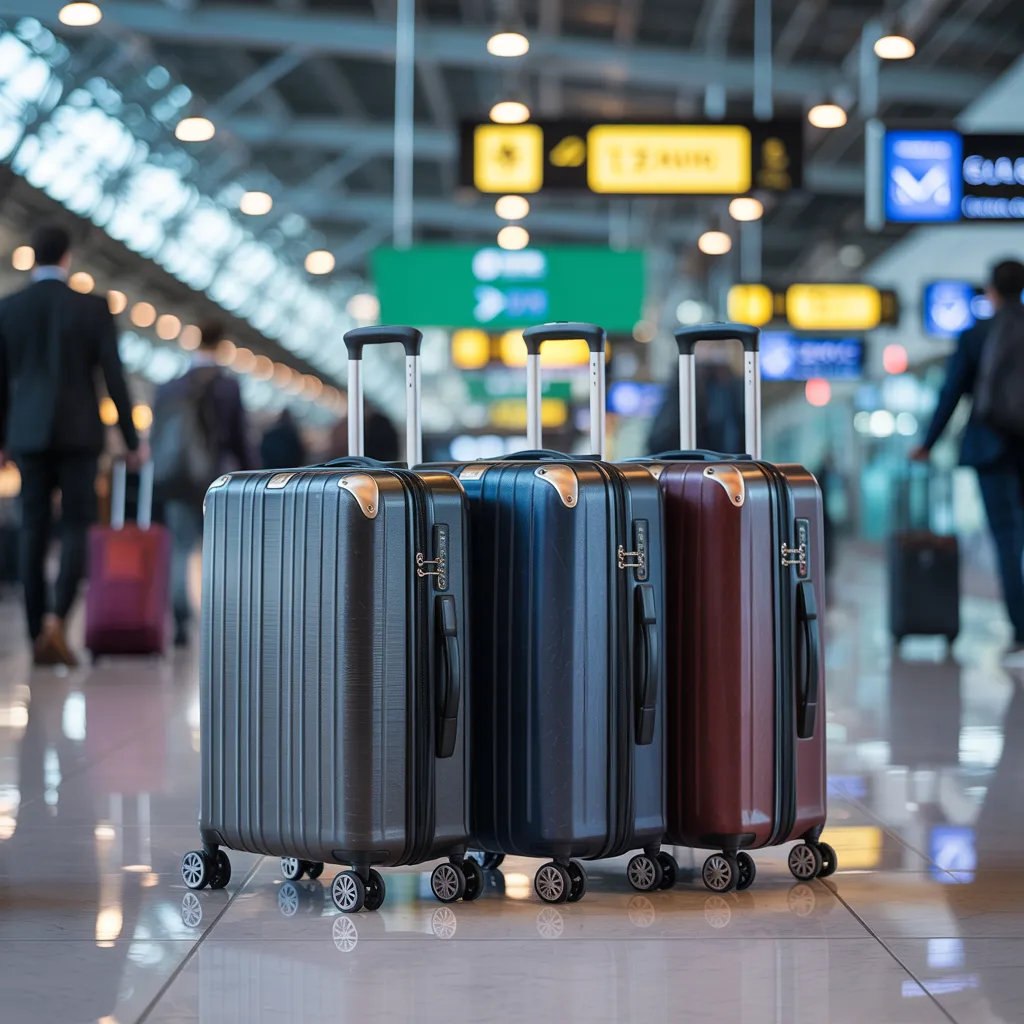
Why Strategic Packaging Plays a Role
Proper packing transforms the travel experience, confirming that must-haves are readily available and well organized. A well organized suitcase reduces stress and saves time, helping journeyers to dedicate on their voyage rather than hunting for items. When baggage is properly arranged, it grows simpler to retrieve necessities, lowering the likelihood of forgetting important items. This systematic approach fosters a notion of control, boosting overall travel satisfaction.
Moreover, efficient packing can result in optimal use of space, enabling travelers to fit additional into their bags without exceeding weight limits. This efficiency also inspires mindful packing, prompting individuals to think about what actually important information matters for their trip. Ultimately, efficient packing not only simplifies the travel process but also contributes to a more pleasant and calm experience. By focusing on organization, travelers can handle their adventures with confidence, being sure they have everything they get at their fingertips.
Best Packing Strategies for Productivity
Maximizing luggage capacity can greatly improve the travel trip. Travelers can begin by rolling clothes instead of folding them, which preserves space and reduces wrinkles. Utilizing every available inch of luggage is essential; stuffing shoes with smaller items like socks can increase space. Moreover, placing heavier items at the bottom of the bag helps ensure balance, making it easier to carry.
A packing outline is indispensable for verifying that important necessities are not left behind, while also controlling over-packing. Stressing versatile pieces that can be layered and styled further strengthens operational efficiency. For toiletry products, traveling individuals should reflect upon downsized containers or compact alternatives to maximize room and copyright copyright regulations.
Ultimately, maintaining regularly used items, like chargers or copyright, conveniently placed in outer pockets can enhance the travel process. By adopting these techniques, travelers can benefit from a more efficient, more orderly journey.
Methods to Apply Packing Cubes and Organizational Systems
Packing cubes and organizers present travelers a useful solution for efficient luggage organization. They help compartmentalize clothing and accessories, making it easier to discover items without rummaging through the complete suitcase. By leveraging these tools, travelers can optimize space and sustain order during their journeys.
The Value Of Packing Cubes
Adopting luggage organizers can revolutionize the way adventurers organize their baggage, offering both effectiveness and convenience. These compact compartments help divide items, making it easy to discover necessities without searching through bags. By organizing belongings—such as clothing, toiletries, and electronics—travelers can maximize space and reduce chaos. Packing cubes also enable better compacting, allowing for more efficient use of luggage space. Additionally, they protect clothes from wrinkles and potential spills, preserving the condition of packed items. Portable and flexible, packing cubes come in various sizes and colors, enhancing not only arrangement but also personal style. Ultimately, integrating packing cubes into vacation habits streamlines packing or unpacking, leading to a more enjoyable travel experience.
Arranging Clothes with Optimal Organization
Travelers should also consider utilizing organizers for shoes and accessories to preserve everything tidy and handy. Color-differentiated cubes can enable in quickly identifying contents, while noting can more streamline the packing process. This way not only spares time during packing and unpacking but also simplifies upholding organization throughout the trip, ensuring a tension-free travel experience.
Guidelines for Arranging Essential Items for Simple Access
How can a person ensure that necessary goods are readily accessible during a journey? The solution depends on thoughtful organization. First, designate a specific bag or compartment for essentials such as hygiene products, chargers, and medications. This should be readily accessible without unpacking the entire suitcase. Next, use packing cubes or pouches to categorize items, enabling quick identification and retrieval.
Aim to place frequently used items, like a travel pillow or snacks, at the top of the bag. Additionally, a small backpack or tote can operate as a day bag, preserving basics close at hand during adventures.
Marking compartments or bags with labels can optimize access, confirming that one can promptly retrieve what is essential. Lastly, packing in a way that aligns the travel agenda allows for a better experience, minimizing the need to sift through luggage in looking for essentials.
Where can you securely keep your important records?
When packing luggage, the location of important paperwork is essential for easy retrieval. Utilizing moisture-resistant bags can shield these items from damage while ensuring they are readily available during travel. Appropriate organization not only boosts convenience but also safeguards critical information.
Ensure Files Stay Easy to Access
When initiating a travel, guaranteeing easy access to key documents can lessen stress and simplify the travel experience. Travelers need to keep critical items such as passports, boarding passes, and itineraries in a specific, handy pocket of their luggage. Making use of a travel wallet or zippered pouch assists to keep these documents tidy and prevents them from getting lost. It is recommended to put this wallet in a carry-on bag or personal item, making sure it remains within arm’s reach throughout transit. Additionally, storing digital copies on a smartphone or in cloud storage gives a helpful backup in case of loss. By focusing on document accessibility, travelers can pay attention to enjoying their journey rather than scrambling to find vital paperwork.
Apply Water-resistant Pouches
Besides maintaining document accessibility, using waterproof pouches can greatly enhance the protection of important travel papers. These pouches safeguard against unexpected spills, rain, or humidity that could harm essential items like passports, tickets, and itineraries. They are particularly useful for travelers participating in outdoor activities or traveling to destinations with unpredictable weather.
For optimal arrangement, it is recommended to keep documents in assigned pouches within a carry-on or travel bag, making access easy during security screening or boarding. Marking each pouch can further streamline the process, ensuring that important papers are rapidly identifiable. By putting money in water-resistant pouches, travelers can prioritize both the availability and protection of their essential papers, thereby minimizing anxiety during their journeys.
Perfect Your Packing Plan for Upcoming Trips
Refining a packing strategy can revolutionize the traveling experience, making it more efficient and pleasant. Voyagers are encouraged to evaluate their past journeys, determining which belongings were necessary and which were unnecessary. This reflection helps in curating a optimized packing list customized for specific destinations and activities.
Using compression bags can improve organization, enabling categorization of clothing and accessories. Additionally, developing a master packing list serves as a valuable reference for future trips, guaranteeing nothing is missed. Focusing on versatile clothing that can be mixed and matched reduces volume while maximizing clothing combinations.
Furthermore, factoring in the climate and cultural standards of the destination into account can further refine choices. By adopting a minimalist mindset and focusing on quality over quantity, travelers can establish a more optimized packing plan that not only frees up room but also strengthens the general travel adventure.
Typical Inquiries Addressed
How Should I Determine the Proper Luggage Size for My Excursion?
The perfect bag size depends upon trip duration, destination, and what you personally need. For brief vacations, go with carry-ons; lengthier travels may need larger bags. Factor in packing essentials, including clothing and personal supplies, for the most efficiency.
Is it possible to pack food or snacks in my bags?
Yes, food and snacks can be included in luggage, but regulations vary by location. It's essential to examine exact copyright and country restrictions to confirm conformity with customs and security guidelines before packing.
What Materials Ensure the Finest Resilience in Luggage?
Durable luggage is often made with materials like ballistic nylon, polycarbonate, and high-denier polyester. These materials provide resilience against wear and tear, ensuring long-lasting performance and protecting contents during various travel conditions.
How Do I Steer Clear Of Overweight Luggage Fees?
To avoid overweight luggage fees, passengers should weigh their bags before traveling to the airport, utilize lightweight luggage, pack essentials only, and think about wearing bulkier clothes during travel for ideal weight management.
Do travel apps help you organize what you pack?
Many travel applications help with packing, such as PackPoint, which creates customized packing lists based on destination and activities, and Travel List, allowing users to organize items efficiently and make sure nothing is forgotten.